
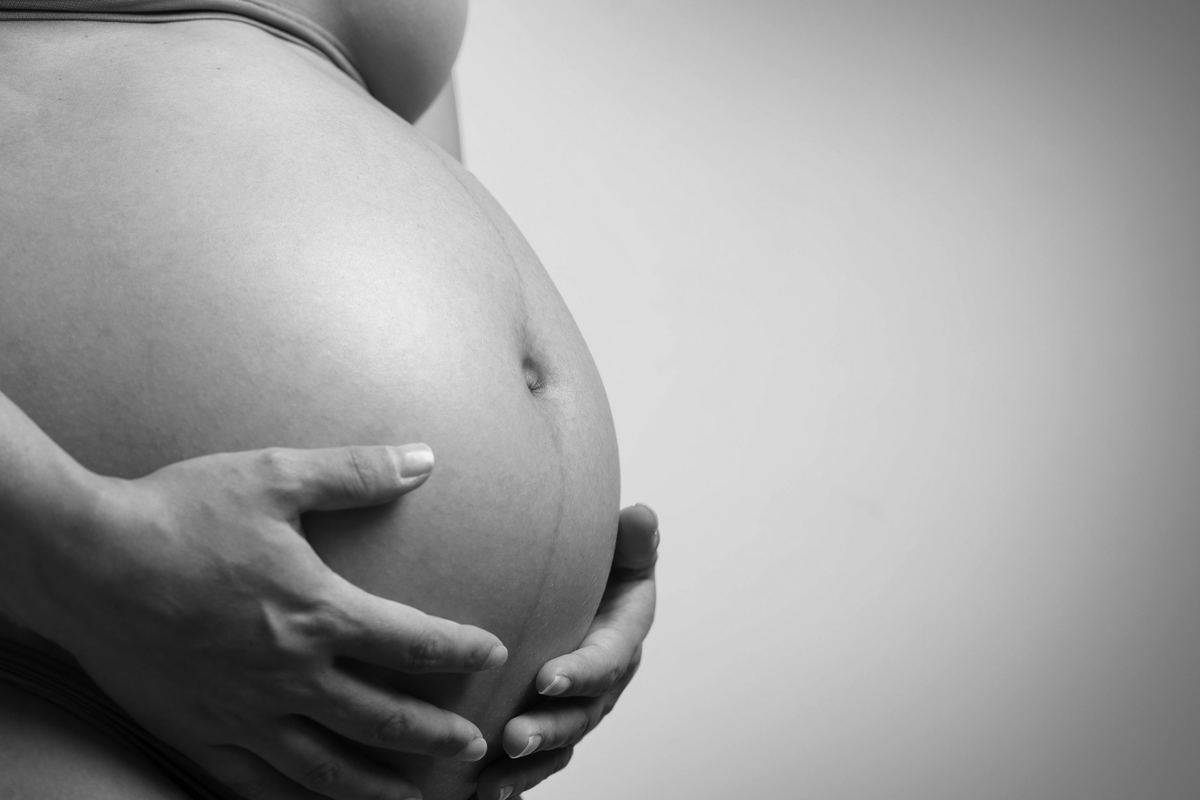
Why See a Pelvic Floor PT During Pregnancy
Pregnancy is one of the most physically transformative experiences a body can go through. The changes — hormonal, postural, biomechanical, and pelvic — happen quickly and continuously over 40 weeks. With good support, your body adapts beautifully. Without it, small issues become bigger ones, and the postpartum recovery is harder than it needs to be.
Pelvic floor PT during pregnancy isn't about treating pathology — it's about supporting an enormous physiological process and preparing the system for birth and recovery.
What We Help With During Pregnancy
- Pelvic girdle pain and SPD
- Pregnancy-related back pain, sciatica, and round ligament pain
- Rib pain (especially in third trimester)
- Carpal tunnel and other nerve compression
- Urinary leaking during pregnancy
- Constipation and bowel changes
- Safe exercise modification as your body changes
- Preparing for labor and delivery
- Postpartum recovery planning
Birth Preparation
Toward the end of pregnancy, focused birth preparation can include:
Perineal Preparation
Perineal massage starting around 34-36 weeks may reduce tearing and the need for episiotomy. We teach you the technique and discuss when it's appropriate for your situation.
Pelvic Floor Coordination
For labor, the pelvic floor needs to release — not contract. Many patients have been told their whole lives to "do Kegels" and don't actually know how to let the pelvic floor go. We teach breath-based relaxation and coordinated pushing patterns.
Position Education
Different birthing positions create different mechanics. We help you understand which positions may work best for your body and your goals, and how to advocate for them.
Mental Preparation
Understanding what your body will do during labor — and trusting it — significantly reduces fear and improves outcomes. We provide evidence-based education that goes beyond what a typical childbirth class covers.
Safe Exercise During Pregnancy
Pregnancy is not a reason to stop exercising — it's a reason to exercise smartly. Research consistently shows that exercise during pregnancy improves outcomes for both parent and baby. We help you:
- Continue lifting safely (yes, including heavy weights for experienced lifters)
- Modify cardio as needed
- Adapt core work as your body changes
- Decide when to stop a specific activity and when it's fine to continue
- Address symptoms (leaking, pain) without abandoning exercise entirely
Most patients can keep doing what they love throughout pregnancy with appropriate modification.
When to Start
Anytime during pregnancy. Common starting points:
- Early pregnancy — if you have a history of pelvic floor symptoms, prior difficult births, or you're an athlete who wants to continue training
- Second trimester — if pain or symptoms develop
- 34-36 weeks — specifically for birth preparation if you haven't been seen earlier
Postpartum Visit Planning
We strongly recommend a postpartum pelvic floor evaluation around 6-8 weeks after delivery (or after your OB clears you) regardless of how delivery went. The 6-week OB visit is necessary but does not assess pelvic floor function, abdominal wall recovery, or readiness to return to activity. PT does.