
Men's Pelvic Health Physical Therapy in Westchester, NY
Specialized pelvic rehabilitation care for men — the kind that's hard to find anywhere outside Manhattan.
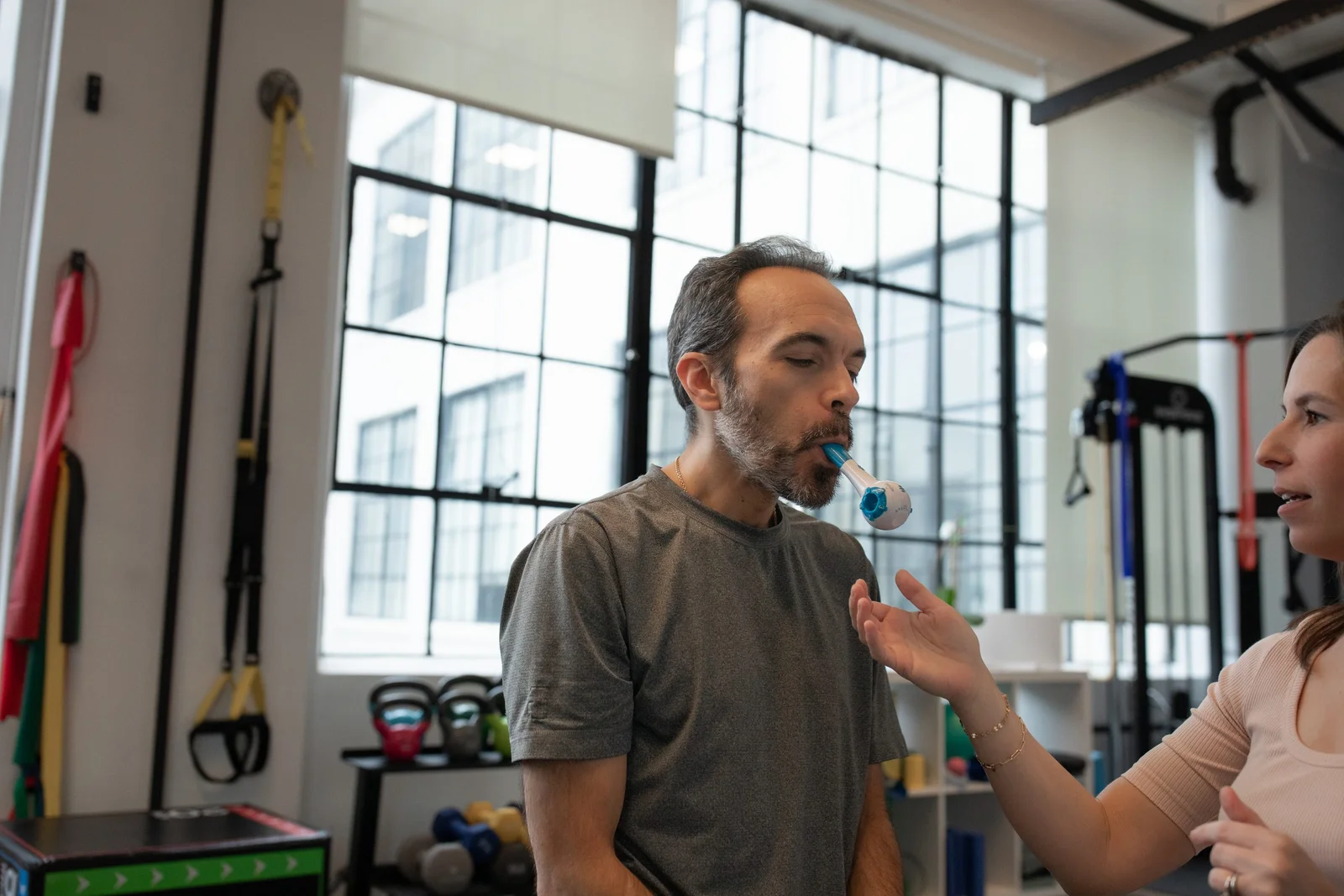
Specialized Care for the Issues Men Face Most
Men's Pelvic Health at Foundations Physical Therapy
Many men suffering from pelvic pain, testicular pain, or urinary frequency are often misdiagnosed with prostatitis.
At Foundations Physical Therapy, we specialize in treating male pelvic floor dysfunction (often diagnosed as Chronic Pelvic Pain Syndrome or CPPS).
Pelvic health issues in men are often overlooked, yet they can have a significant impact on quality of life — affecting everything from daily comfort to intimate relationships. Our goal is to provide effective, evidence-based solutions to help you regain control, eliminate pain, and restore confidence.

A Closer Look at Men's Conditions We Treat
Pelvic Pain
Chronic pelvic pain (penile pain, testicular pain, perineal pain, rectal pain) can be frustrating and debilitating. Using techniques like myofascial release, we target the muscles and connective tissues around the pelvis to relieve pain and tension, addressing issues such as painful sitting, discomfort during physical activity, or tenderness in the groin area.
Why it's so often missed: Many men are told they have "prostatitis" when the actual driver is musculoskeletal pelvic floor dysfunction. Learn more about male pelvic pain (CPPS) →
Erectile Dysfunction (ED)
Pelvic floor physical therapy can improve the strength and coordination of the muscles involved in erectile function. By retraining and strengthening these muscles, we can address underlying issues contributing to ED to improve sexual function and confidence.
Our Approach: A comprehensive evaluation of pelvic floor muscle function, coordination, and the surrounding orthopedic system — followed by individualized treatment. Learn more about ED with pelvic floor involvement →
Urinary Incontinence
Whether you're experiencing frequent urges to urinate, difficulty controlling your bladder, or leakage during physical activity, our tailored treatment plans can help.
Our Approach: Evidence-based modalities including biofeedback, manual therapy, and targeted strengthening to restore bladder control and confidence. Learn more about incontinence treatment →
Post-Prostatectomy Rehabilitation
After prostate cancer treatment, many men struggle with incontinence and pelvic floor dysfunction. We offer post-prostatectomy rehabilitation to help rebuild pelvic floor strength and function, promoting recovery and improving your quality of life.
Our Approach: Pre-surgical "prehab" when possible, post-surgical pelvic floor strengthening, scar mobilization, and graduated return to activity. Learn more about post-prostatectomy recovery →
Chronic Prostatitis
Prostatitis, or inflammation of the prostate gland, often causes pelvic pain and urinary symptoms. We focus on reducing inflammation, improving pelvic muscle function, and alleviating pain through gentle manual therapy and myofascial release techniques.
Our Approach: Whole-system assessment, internal and external manual therapy, nervous system down-regulation, and patient-paced treatment. Learn more about chronic prostatitis treatment →
We also treat men for all conditions outlined on our Conditions We Treat page — including bowel issues, coccyx pain, bladder dysfunction, prolapse, and more.
How Pelvic Floor Therapy Works for Men
Men's pelvic floor therapy focuses on addressing the muscles, fascia, and tissues of the pelvic region that play a key role in bladder control, sexual health, and pelvic stability. Using a combination of manual therapy techniques, therapeutic exercises, and biofeedback, we help men strengthen and retrain these vital muscles.
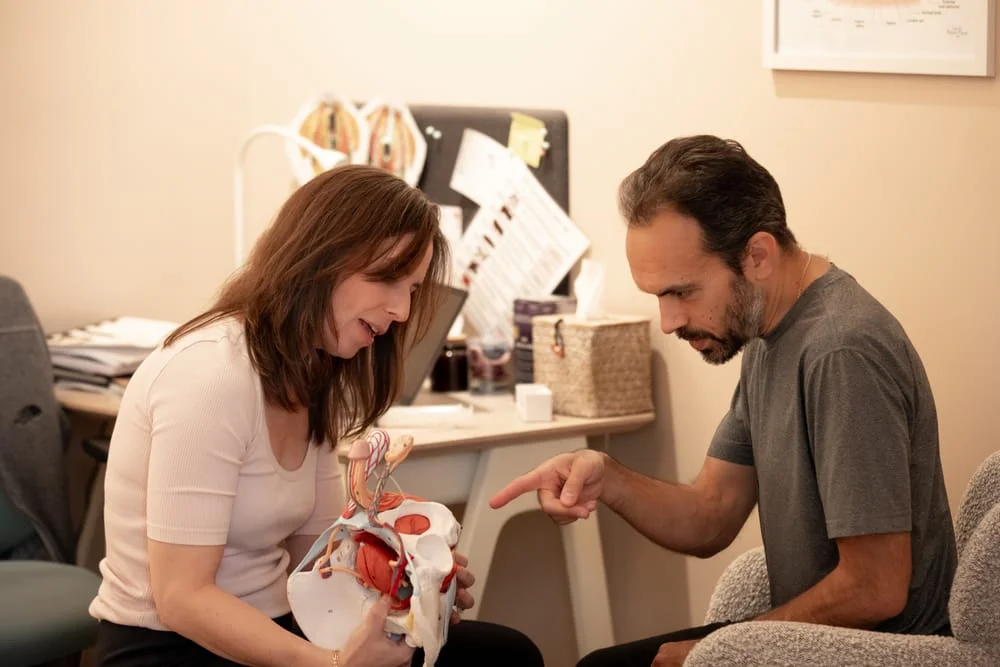
Your First Visit & Beyond
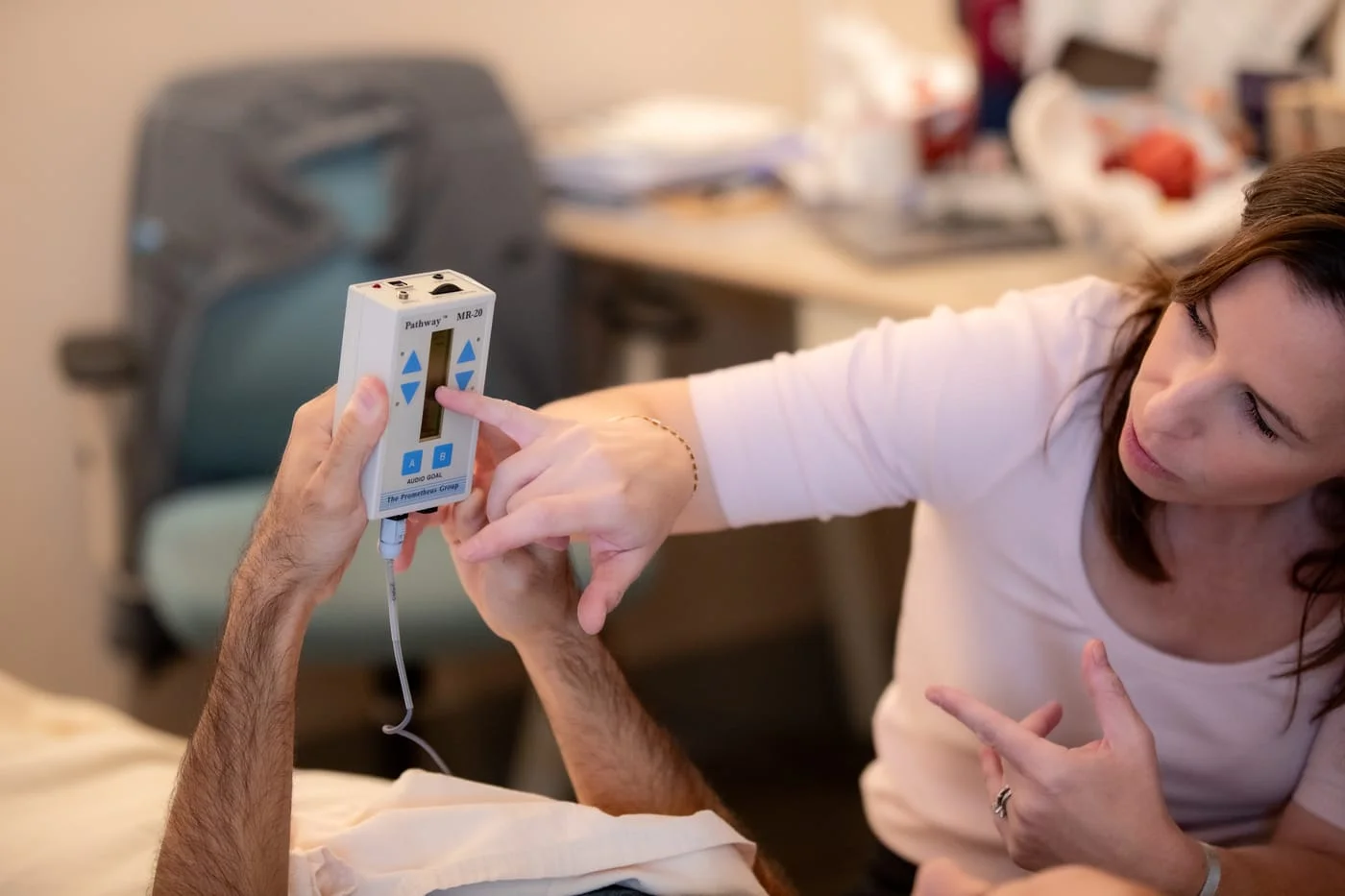
Your treatment begins with a thorough assessment of your symptoms, medical history, and any lifestyle factors contributing to your condition. Our expert pelvic floor physical therapists will create a personalized treatment plan using methods like myofascial release, targeted exercises, and relaxation techniques to reduce symptoms and promote healing.
Appointments are a full 60 minutes, one-on-one with your therapist — the evaluation and every session after it. Assessment is whole-body (back, hips, core, breath mechanics, movement patterns), because pelvic symptoms rarely exist in isolation. And progress gets measured, not guessed at: we use objective tools like biofeedback and pad-weight testing so you can see whether treatment is working.
Every visit is private, professional, and paced by you. Internal assessment is only done with your consent and is never required on a first visit.
What is Male Pelvic Floor Dysfunction?
Male pelvic floor dysfunction occurs when the muscles of the pelvic floor become too tight (hypertonic) or weak, leading to symptoms like urinary frequency, pelvic pain, or sexual dysfunction. Unlike bacterial prostatitis, this is a musculoskeletal condition that responds best to specialized pelvic floor physical therapy rather than medication.
"As a male it's difficult to find therapists who treat male pelvic pain. Ronit is extremely knowledgeable in her profession… She is a great listener, thorough in her plan of treatment, and genuinely cares about her patients. I highly recommend Foundations Physical Therapy if you (unfortunately) suffer from pelvic pain."
Frequently Asked Questions
How common is pelvic floor PT for men, really?
Common enough that it's a core part of our practice — a quarter of our patients are men. Most come in for pelvic pain, urinary symptoms, post-prostatectomy recovery, or sexual dysfunction. And most tell us the same thing afterward: they wish someone had sent them sooner.
I was told I have prostatitis and antibiotics didn't help. Now what?
This is the single most common story we hear from men. When cultures are negative and antibiotics change nothing, the driver is usually musculoskeletal — tight, irritated pelvic floor muscles rather than an infected prostate. That presentation is chronic pelvic pain syndrome (CPPS), and it responds to pelvic floor physical therapy, not another round of antibiotics.
Do you take insurance?
We accept Medicare as a non-participating provider: you pay at the time of the visit, we submit the claim, and Medicare reimburses you directly. For all other carriers we're out-of-network — and we submit those claims on your behalf too. HSA and FSA funds are accepted.
Do I need a referral to start?
No. In New York, you can see a physical therapist for up to 10 visits or 30 days (whichever comes first) without a referral. After that, a physician referral is required — and many insurance plans want one for reimbursement. We'll help you sort that out before it becomes a problem.
How will I know it's working?
Because we measure it. Biofeedback shows what your pelvic floor muscles are actually doing. Pad-weight testing quantifies leakage instead of guessing at it. We track your symptoms against the goals set at your evaluation — and if something isn't producing results, we change it. If a technique doesn't have evidence behind it, we're not using it.
How soon can I be seen?
Most new patients are seen within a week. And if you'd rather talk before booking — completely understandable with this kind of problem — we offer a free 15-minute phone or video consultation to answer your questions and make sure we're the right fit.
You Don't Have to Live With It
Specialized men's pelvic health care — without the trip into Manhattan. We serve Yonkers, Hastings-on-Hudson, Ardsley, Irvington, Tarrytown, and throughout Westchester.