
What Chronic Pelvic Pain Is
Chronic pelvic pain is persistent pain in the pelvic region lasting more than six months. It can be constant or come and go, sharp or dull, deep or surface, on one side or both. It may be tied to your period, sex, bowel movements, sitting, exercise — or to nothing identifiable at all.
The most frustrating part for most patients: they've already seen specialists. OBGYN, urology, GI, primary care. Tests come back normal. Pain persists. They're told they're "fine" or offered medication that helps the symptom without addressing why it's happening.
For most chronic pelvic pain, the missing piece is the musculoskeletal and neural one — the pelvic floor, surrounding muscles, fascia, and nerves. That's our specialty.
The Sources We Treat
Pelvic Floor Muscle Tension (Hypertonicity)
The pelvic floor is a group of muscles that can hold tension just like any other muscle — except chronic tension here triggers a cascade of symptoms: pain with sex, urinary urgency, constipation, deep dull ache, sometimes referred pain to the back, hips, or thighs. Releasing these muscles is often the single biggest intervention.
Myofascial Pain
The connective tissue around the pelvis — abdomen, inner thighs, low back, glutes — develops adhesions and trigger points that refer pain into the pelvic region. Manual therapy and targeted exercise resolve these.
Nerve Involvement
Pudendal nerve, obturator nerve, ilioinguinal, genitofemoral — any of these can become irritated, compressed, or entrapped, causing pain that follows the nerve's distribution. We assess specifically for these and treat with mobilization, decompression techniques, and nervous system work.
Visceral Restrictions
Adhesions in the abdomen and pelvis — often from surgery, endometriosis, or inflammation — can restrict normal organ movement and cause referred pain. Visceral mobilization addresses these.
Nervous System Sensitization
In long-standing pelvic pain, the nervous system itself becomes more reactive. Pain signals amplify. The system gets stuck in "danger" mode. We work on calming the nervous system through breath, vagal toning, graded exposure, and education about pain neuroscience.
Patterns We Hear Every Week
The way pelvic pain behaves — when it shows up, what makes it worse — tells us a lot about which structures are involved. Three patterns come up constantly.
Pain That's Worse With Sitting
If your pain builds the longer you sit — at a desk, in the car, through a dinner — that points somewhere specific. Sitting compresses the pelvic floor, the coccyx, and the path of the pudendal nerve, and muscles already holding tension get no break under sustained pressure. Pain that eases when you stand or lie down suggests tailbone dysfunction, pudendal nerve irritation, or deep pelvic floor tension — all of which we assess for directly. Cushions can help you cope; they don't change the reason sitting hurts.
Pain With Exercise or Physical Activity
Pain that flares with running, lifting, cycling, or sex usually means muscles that can't manage load — too tense to lengthen, too weak to support, or both. The answer is rarely "stop being active." It's identifying what those muscles can't currently do, treating it, and rebuilding your tolerance in graded steps.
Pelvic Pain During Pregnancy and After Birth
Pelvic pain around pregnancy is one of the most routinely dismissed complaints in medicine — called normal, part of the deal, something time will fix. Common doesn't mean normal. Pregnancy-related pelvic girdle pain, pubic symphysis pain, tailbone pain from delivery, and postpartum pelvic floor tension are specific, assessable, treatable problems — whether you gave birth four months ago or fourteen years ago. "You just had a baby" is a circumstance, not a diagnosis.
How We Treat It
1. Full Musculoskeletal Assessment
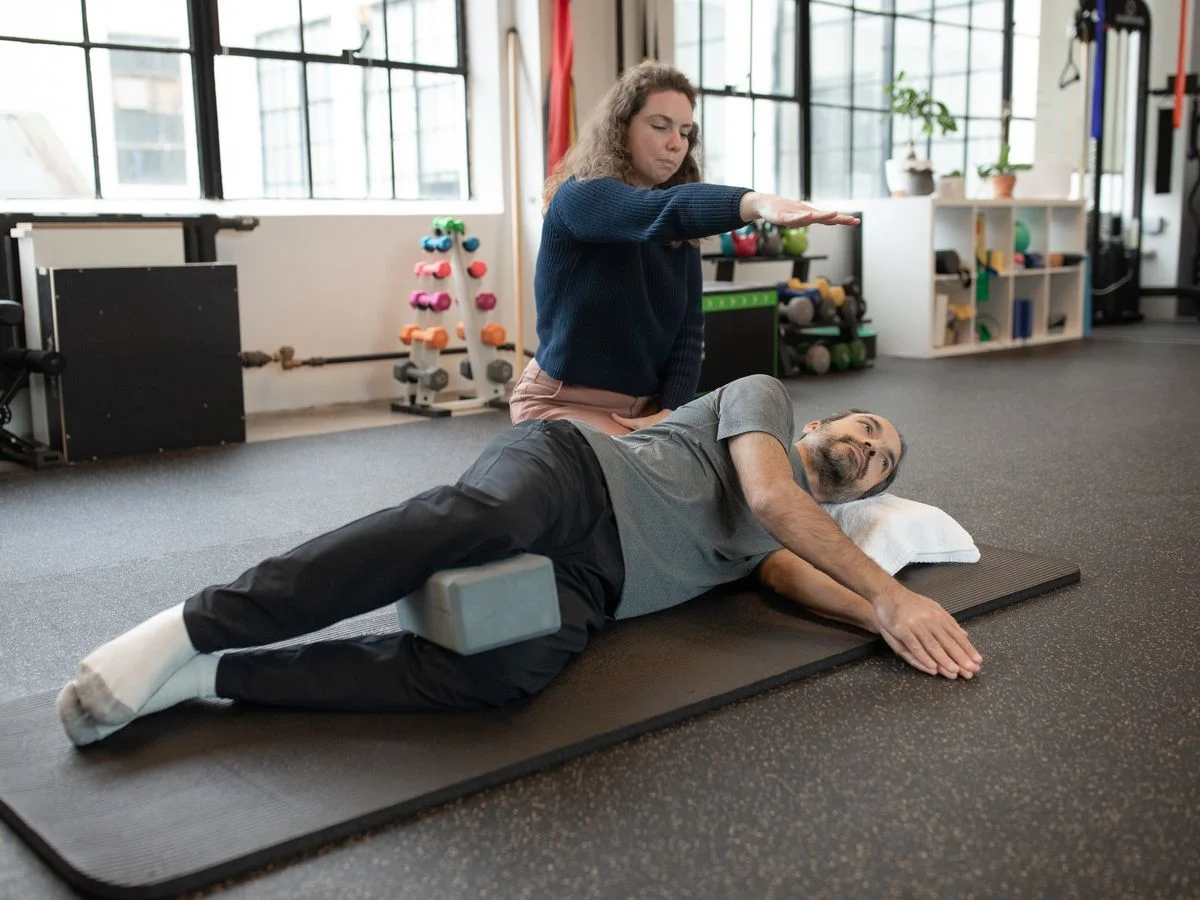
Your first visit is a comprehensive evaluation — pelvic floor, abdomen, hips, low back, posture, breath. We're looking for everything that could be contributing. Most chronic pelvic pain has more than one source, and missing any of them slows recovery.
2. Manual Therapy
Hands-on internal and external work to release tight muscles, mobilize fascia, and treat trigger points. This is where the biggest changes often happen in the first few visits.
3. Nervous System Calming
Breath work, vagal tone, education about how pain works, and graded movement reintroduction. For long-standing pain, this layer matters as much as the manual work.
4. Movement and Strengthening
Once the muscles can release, we strengthen what's deconditioned and integrate everything into movement that matches your real life.
5. Collaboration When Needed
For some patients, PT alone isn't enough. We work alongside pain specialists, gynecologists, urologists, and mental health providers when warranted. We'll refer you out when it's the right call.
What Your First Visit Looks Like
Many patients arrive nervous — usually because past appointments were rushed, dismissive, or both. Here's exactly what happens.
Your evaluation is a full 60 minutes, one-on-one with your therapist. It starts with a conversation: your history, what the pain does day to day, what you've already tried, what your tests showed. Then a whole-body assessment — back, hips, core, breath mechanics, movement patterns — because chronic pelvic pain almost never lives in the pelvis alone.
An internal pelvic floor assessment gives the most direct information, but it is always optional, always consent-based, and never required on a first visit. Everything is explained before it happens, and you set the pace throughout. You'll leave with a plain-language explanation of what we found and a plan — and if you'd rather talk it through before booking, we offer a free 15-minute phone consultation.
Conditions That Often Cause Pelvic Pain
We treat pelvic pain from many root causes:
- Endometriosis (secondary pelvic floor tension)
- Interstitial cystitis / bladder pain syndrome
- Pudendal neuralgia
- Painful intercourse and vaginismus
- Coccyx pain (tailbone)
- Chronic prostatitis in men
- SI joint dysfunction
Honest Expectations
Chronic pelvic pain typically takes longer to resolve than acute injuries. Most patients see meaningful improvement within 6–10 visits. Full resolution usually takes 3–6 months of consistent work. We're honest with you from the first visit about what's realistic, what we're targeting, and how we'll measure progress.
Frequently Asked Questions
Why does sitting make it worse?
Sitting loads the pelvic floor directly and compresses the coccyx and the pudendal nerve's pathway. Muscles already holding tension get no relief under that pressure, so pain builds through the day and eases when you stand. That pattern is a clue, not a mystery — it narrows down the source considerably.
All my tests came back normal — can PT still help?
Normal tests are how most of our pelvic pain patients arrive. Imaging and labs rule out disease — they don't measure muscle tension, nerve irritation, or coordination, and none of those show up on an MRI. Those are hands-on findings, and they're exactly what a pelvic floor evaluation is built to detect.
Is internal work required?
No. Internal assessment is always optional, always consent-based, and never required on a first visit — and meaningful progress can be made externally. Our care is trauma-informed: we explain everything before doing it, and you can change your mind at any point, including mid-visit.
Do I need a referral to start?
Not right away. In New York, you can start physical therapy without a referral for up to 10 visits or 30 days (whichever comes first). After that, a physician referral is required — and many insurance plans want one for reimbursement. We'll help you navigate it.
You Aren't Alone
If you've been told "everything looks normal" while you continue to hurt — we believe you, we hear you, and we have specific things we can do about it. Most of our pelvic pain patients have been through multiple providers before finding us. Many tell us PT is the first thing that's actually changed how they feel.