
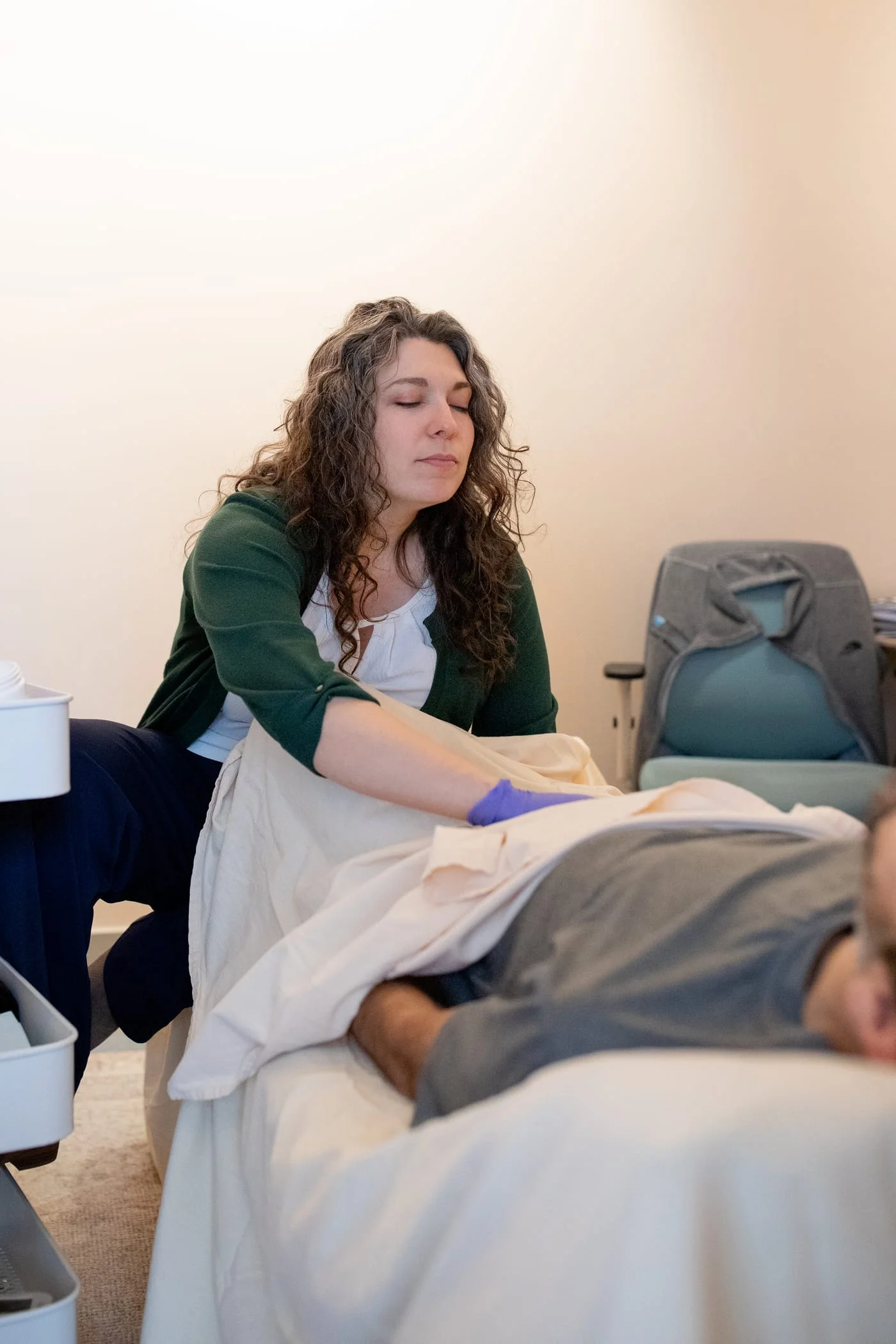
What Is Pudendal Neuralgia?
The pudendal nerve runs from the lower spine through the pelvis and branches to supply sensation and motor function to the genitals, perineum, and anal area. When this nerve gets irritated, compressed, or entrapped anywhere along its path, you get pudendal neuralgia: pain in the pelvic region that can feel like burning, aching, stabbing, or pressure.
Pudendal neuralgia is frequently misdiagnosed as "urinary tract infection," "chronic prostatitis," "bladder pain," "vulvodynia," or simply "pelvic pain of unknown origin." Many patients see multiple providers before getting a clear diagnosis.
What It Typically Feels Like
- Burning or electric pain in the pelvic region, perineum, genitals, or anus
- Pain that gets worse with sitting and eases when standing or lying down
- A feeling of something "inside" that shouldn't be there (like a ball, a tampon, or a foreign object)
- Pain with urination, bowel movements, or sexual activity
- Numbness or tingling in the perineum or genitals
- Symptoms that worsen throughout the day and peak by evening
What Causes It?
The pudendal nerve can be irritated by:
- Prolonged sitting (cyclists, desk workers, long drivers)
- Childbirth trauma
- Pelvic surgery or injury
- Tight, overactive pelvic floor muscles
- Scar tissue or adhesions
- Chronic constipation and straining
- High-impact activities without adequate pelvic floor recovery
How Pelvic Floor Physical Therapy Helps
Most pudendal neuralgia responds to conservative care. Surgery is rare and usually a last resort after dedicated PT, injections, and other conservative options have been tried.
1. Identify Where the Nerve Is Irritated
The pudendal nerve has multiple common sites of compression or irritation. We assess your whole pelvis, hip, and spine to figure out where the problem is actually coming from — because treating the wrong spot won't help.
2. Release Overactive Pelvic Floor Muscles
Tight, spasm-prone pelvic floor muscles are a major driver. We use internal and external manual therapy to release tension, down-train the nervous system, and restore normal resting tone.
3. Address the Whole Kinetic Chain
Hip mobility, core function, breathing, and posture all contribute. We address everything that's contributing — not just the pelvic floor itself.
4. Calm the Nervous System
Chronic pelvic pain sensitizes the nervous system. Part of recovery is retraining your brain that the pelvis is safe. We use graded exposure, breath work, and education to support this.
5. Teach You What to Do (and Not Do)
Specific sitting positions, exercise modifications, and daily habits can either aggravate or calm the nerve. We give you a clear home program based on what your body actually needs.
When Should You Seek Care?
If you've had pelvic pain for more than a few weeks that hasn't resolved with basic care — especially if it's worse with sitting — get evaluated. The longer pudendal neuralgia persists untreated, the more sensitized the nervous system becomes, and the harder recovery can be. Early specialized care leads to better outcomes.