
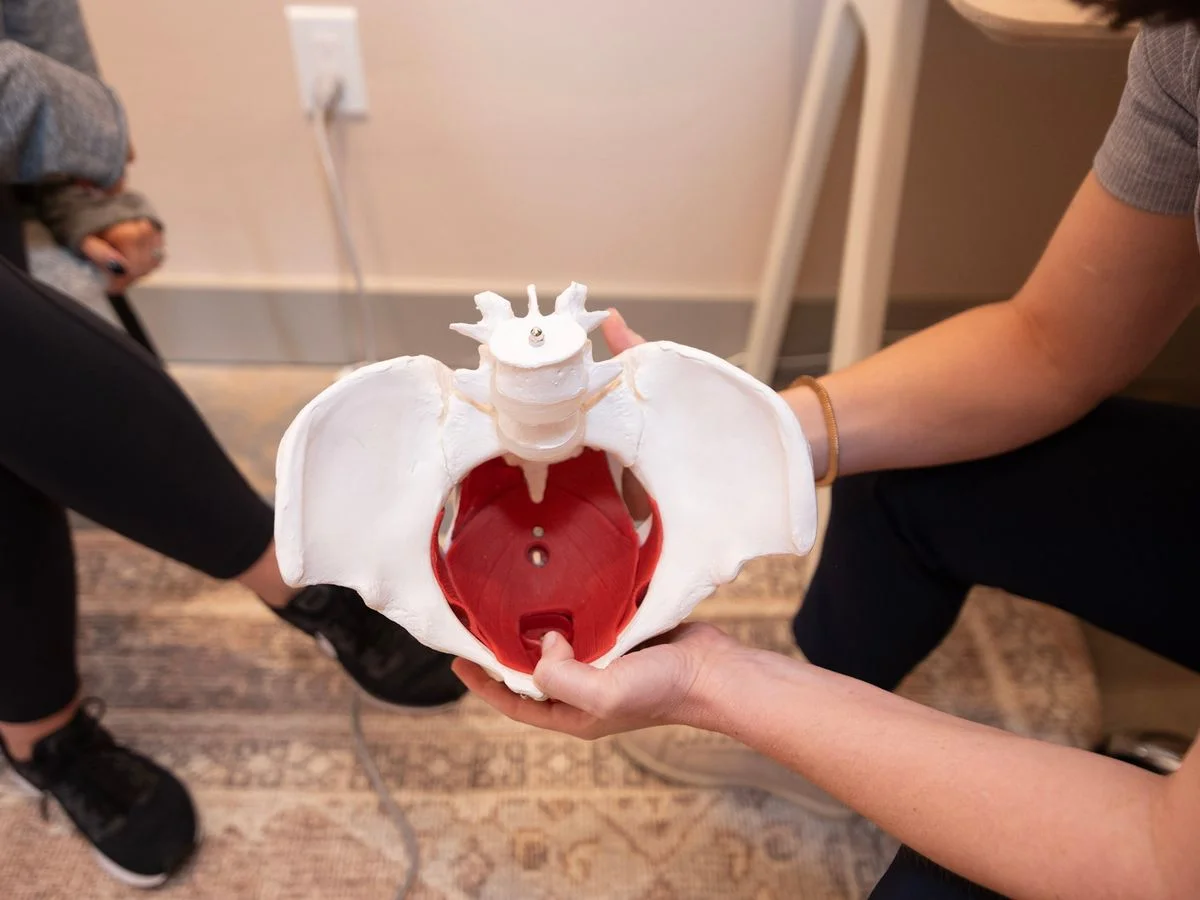
What Is Vulvodynia?
Vulvodynia is chronic pain at the vulva (the external genitalia) that has lasted at least three months and doesn't have an identifiable cause like infection or skin disease. Pain may be:
- Generalized — affecting the entire vulvar area
- Localized — concentrated at the vestibule (entrance to the vagina) or clitoris
- Provoked — only with touch, pressure, or penetration
- Unprovoked — present even at rest
- Mixed — both provoked and present at rest
It often gets dismissed, misdiagnosed as recurrent yeast infections, or labeled as "in your head." It is none of those things. The pain is real, has identifiable neuromuscular drivers, and responds well to specialized treatment.
Symptoms
- Burning, stinging, rawness, or stabbing pain at the vulva
- Pain with sex (often described as "broken glass" or "sandpaper")
- Pain with tampon use
- Pain with gynecologic exams
- Pain with sitting, especially on hard surfaces
- Pain with tight clothing
- Symptoms that may worsen with stress, fatigue, or around your cycle
What's Actually Going On
Vulvodynia typically involves a combination of:
- Pelvic floor muscle dysfunction — chronically tight, guarded muscles that pull on vulvar tissues
- Nervous system sensitization — the nervous system has "learned" to interpret normal sensation as pain
- Tissue changes — due to hormone changes or dermatological in nature
- Inflammatory or immune factors
- Past pain experiences — previous infections, surgeries, or trauma that primed the system
The good news: each of these is addressable, often without medication.
How We Treat Vulvodynia
1. Gentle Assessment
Your first visit prioritizes comfort. We talk extensively, do a careful external examination, and only do internal work when and if you consent. There is no rush, no pressure, and you control every step.
2. Pelvic Floor Down-Training
Most vulvodynia patients have overactive pelvic floor muscles. Treatment focuses on releasing tension, retraining breath patterns, and teaching the muscles to relax — not contract. Kegels often make symptoms worse and are generally not part of treatment.
3. Manual Therapy
Gentle external and (when appropriate) internal manual therapy releases tight tissue, improves blood flow, and reduces tenderness. We progress only at the pace your body accepts.
4. Nervous System Calming
Graded sensory exposure, breath work, mindfulness-based pain neuroscience education, and other techniques help the nervous system gradually re-learn that touch and pressure are safe.
5. Collaborative Care
We often work alongside gynecologists, dermatologists, sex therapists, mental health providers, and pain medicine specialists. Vulvodynia care is often most effective with a team.
What to Expect from Treatment
Most patients begin to notice change in 4-8 visits, with continued improvement over several months. Treatment is generally 1-2x per week.