Read a New York Times article about the Fourth Trimester featuring our founder
Practical suggestions for women dealing with the surprising things that happen to their bodies in the first months after childbirth.

Practical suggestions for women dealing with the surprising things that happen to their bodies in the first months after childbirth.

Pelvic girdle pain is a common yet poorly understood condition that affects women during pregnancy, childbirth, and/or the postpartum period. It is known by multiple different names, which adds to the confusion in the literature and in research. It may be called pelvic arthropathy, oteitis pubis, pelvic insufficiency

At some point during their course of treatment, most of my patients delicately ask a variation of the question, “How did you decide to become a pelvic floor physical therapist?”
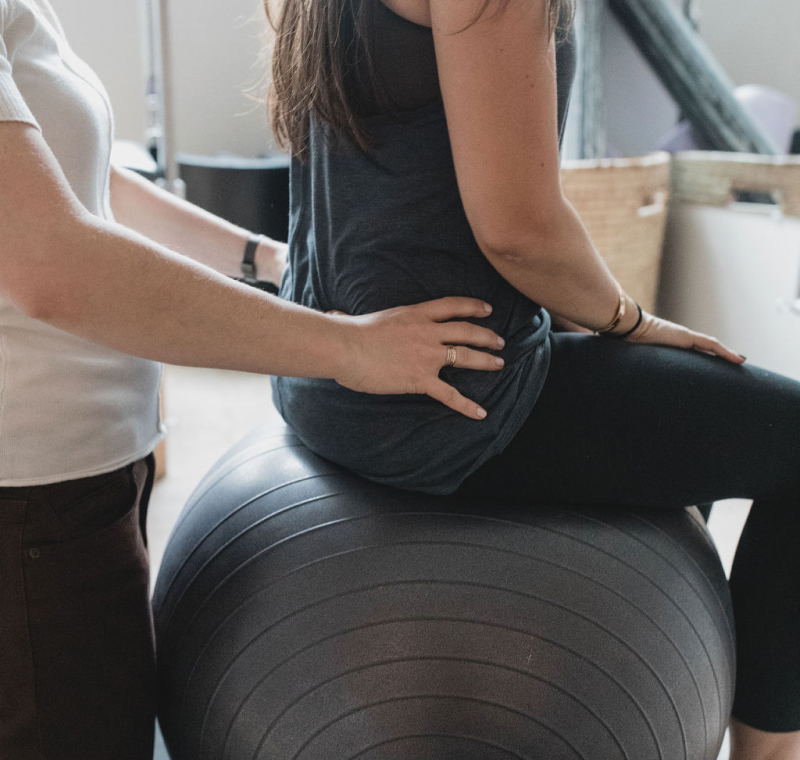
Exploring the reasons why Pelvic Floor Physical Therapy & your Insurance Coverage Don’t Mix.
You pay a monthly health insurance premium to help cover any illnesses and/or injuries that may arise. This hefty monthly fee is supposed to be your safety net, but what happens when it isn’t?

A physical therapist (PT) is a licensed healthcare professional with a graduate degree – either a masters or a doctorate in physical therapy. They are trained as generalists and can treat patients in many different settings and in various stages of recovery.

Leaking or increased pelvic heaviness with running, jumping, and walking fast are common postpartum but can also occur in female athletes that have never been pregnant or in patients post-prostatectomy.

Just like any professional (or human), not all physical therapists are created equal. Have you ever been to an incompetent dentist or hired a bad plumber? I have done both – one who told me I had 5 cavities when I had none and one who told me I had to dig up my garage to find a pipe when it was located on the complete other side of the house and required no digging at all. Before I drilled into my healthy teeth or hired an excavator to destroy my garage floor, I thankfully got a second opinion.
Most of the time when people think about infertility struggles they think about hormonal or medical conditions that are contributing to the difficulty in conceiving and maintaining a pregnancy. As physical therapists we can’t help with those problems but we do get involved in the process of making babies.

When people hear about pelvic floor therapy, they often associate it with women’s health issues, but did you know that men can benefit from it as well? In our community, we’re proud to offer pelvic floor physical therapy to both men and women who may be struggling with pelvic floor dysfunction.

Menopause is a natural phase of life that marks the end of menstruation. However, for many women, the hormonal changes associated with menopause can begin during perimenopause and bring about a variety of physical symptoms. Among these are genitourinary symptoms, which can significantly impact daily life and overall well-being. Fortunately, pelvic floor physical therapy offers effective, non-invasive solutions to address these concerns and help women regain comfort and confidence.

When people think of pelvic floor physical therapy, they often associate it with postpartum recovery. But did you know that pelvic floor PT can be just as beneficial during pregnancy?

Chronic prostatitis is a condition that affects many men but is often misunderstood—and frequently misdiagnosed. If you’re experiencing persistent pelvic pain, urinary symptoms, or discomfort during or after ejaculation, pelvic floor physical therapy may be the missing link in your treatment and provides a non-invasive, evidence-based solution to chronic pelvic pain.

If you’re a man recovering from prostate cancer treatment — whether it was a prostatectomy, radiation therapy, or both — pelvic floor physical therapy can play a

Bringing a baby into the world is a massive accomplishment — but your recovery deserves just as much attention. We specialize in pelvic floor rehabilitation for postpartum women so you can feel strong, supported, and in control again.
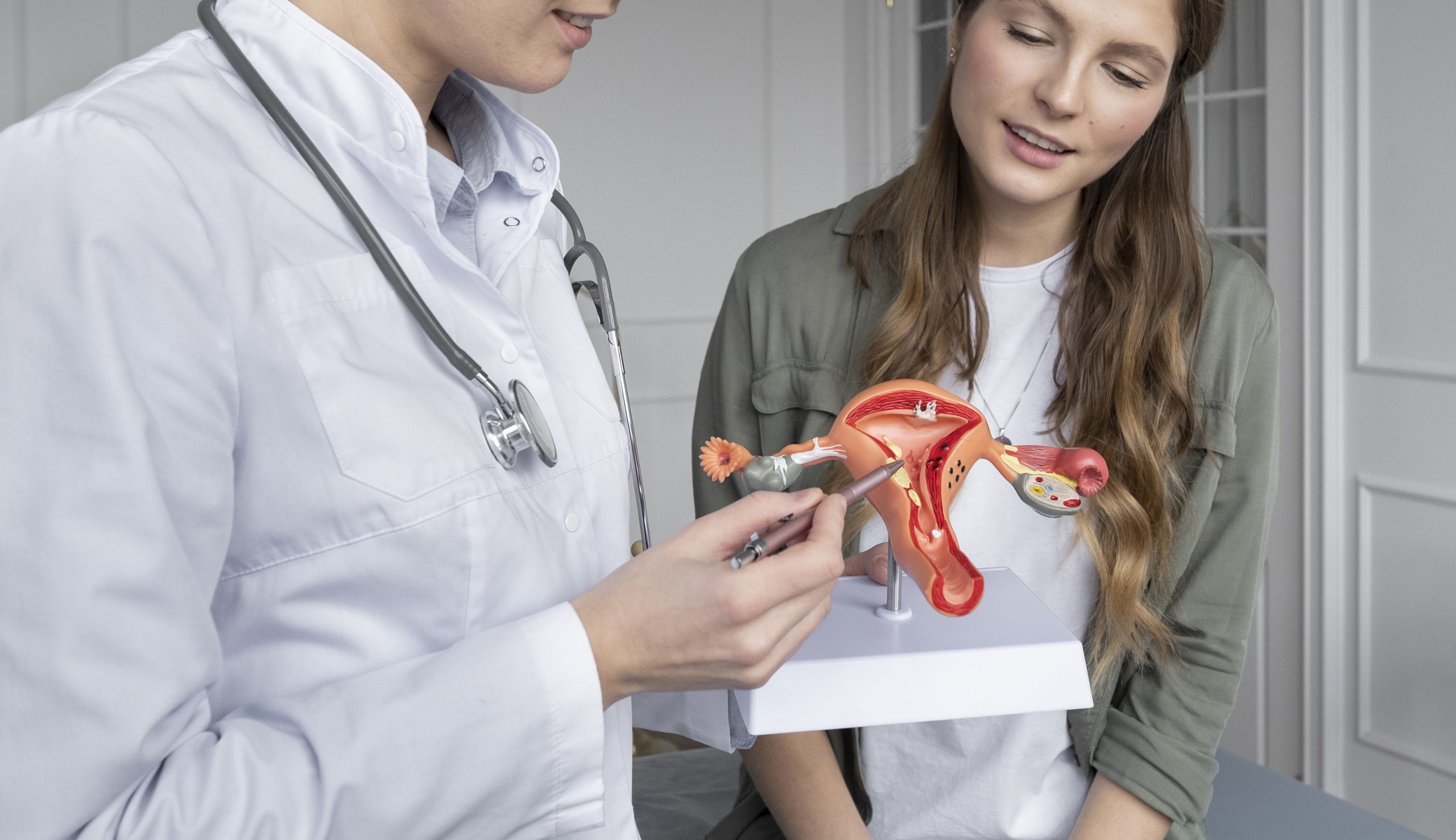
Endometriosis affects roughly 1 in 10 women, yet it often takes years to receive a diagnosis. The condition occurs when tissue similar to the uterine lining grows outside of the uterus, leading to chronic inflammation, scarring, and pain. Common symptoms include painful periods, bloating, digestive changes like constipation, painful intercourse, and pelvic or lower back pain.