
Address Your Chronic Pelvic Pain
Chronic pelvic pain refers to persistent or recurrent pain in the pelvic region that lasts longer than three months.
Conditions We Treat

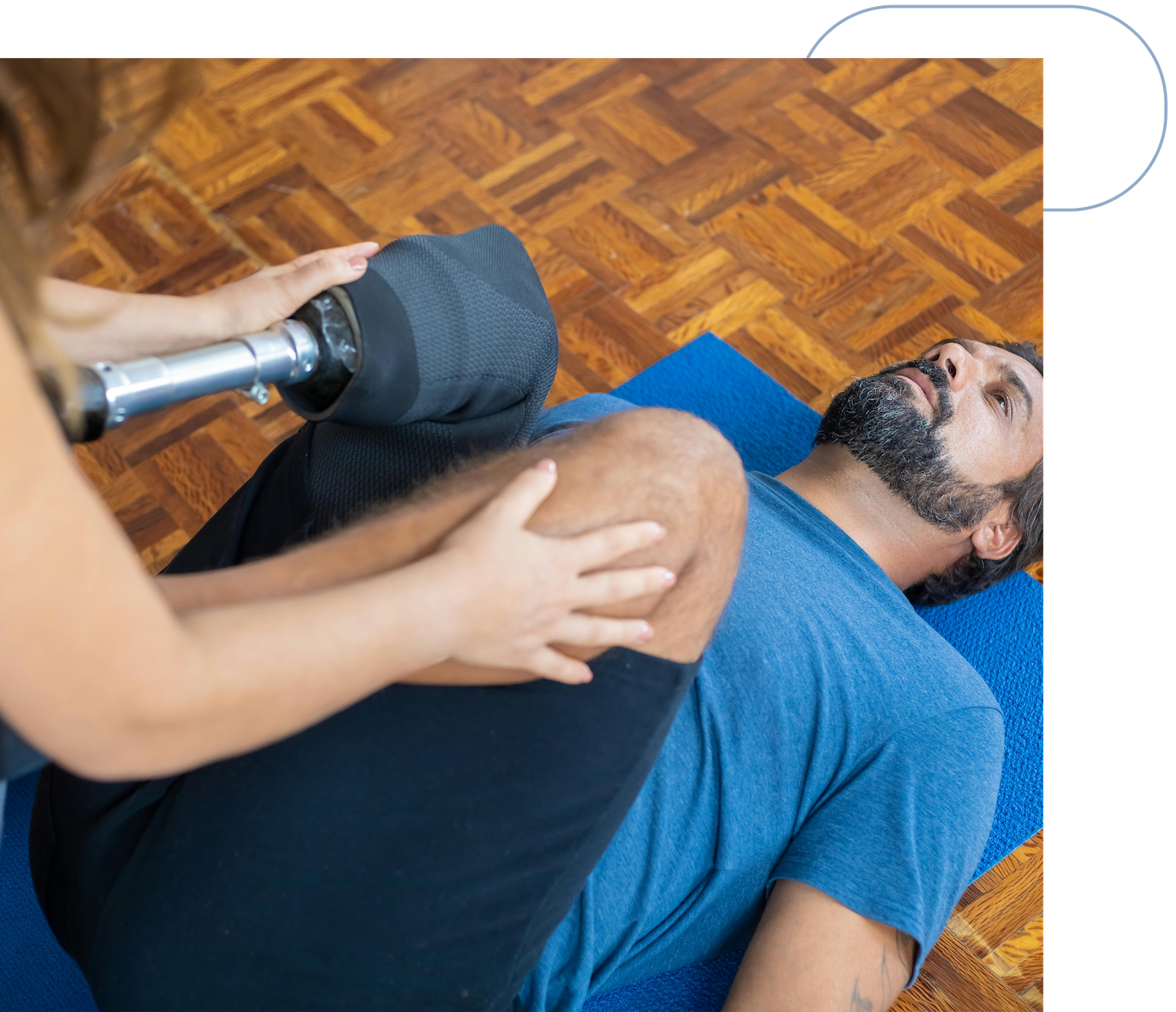
Chronic Pelvic Pain at Foundations Physical Therapy
Pain lasting longer than three months that may be constant or intermittent and may occur with or without a clear diagnosis. It is often described as burning, aching, pressure, sensitivity, or discomfort in the lower abdomen, pelvis, lower back, sacroiliac joints, sacrum, tailbone, testicles, penis, vagina, vulva, genitals, or rectum.
Pain may worsen with sitting, daily activities, exercise, bowel or bladder function, or sexual activity. Chronic pelvic pain is often complex and may involve the pelvic floor muscles, surrounding joints and tissues, the nervous system, and other body systems.
Pain with Sitting
Discomfort or pain that worsens with prolonged sitting. This may be associated with increased sensitivity, tension, or irritation of the pelvic floor muscles and surrounding structures.
Pain with physical activity
Pain during or after exercise, walking, lifting, running, or daily movement. This may be related to muscle tension, poor coordination, guarding, weakness, or difficulty managing pressure through the pelvis, abdomen, and pelvic floor.
Pain with sexual activity
Ongoing pain during or after sexual activity that persists over time. This may involve pelvic floor muscle tightness, irritation, scar tissue, tissue sensitivity, nerve sensitivity, or hypersensitivity of pelvic floor structures.
Testicular, penile, vaginal, vulvar, or rectal pain
Persistent pain localized to pelvic structures that may not have one clear or singular cause. This type of pain may be associated with pelvic floor dysfunction, nerve irritation, tissue sensitivity, or referred pain from surrounding muscles, joints, and connective tissue.
Peri/postpartum pelvic pain
Pelvic pain is common during pregnancy and postpartum, but because it is common, it is often dismissed as a normal part of childbearing. Pain during this time can affect quality of life, mood, sleep, exercise, caregiving, intimacy, and overall recovery.
Peri/postpartum pelvic pain may involve the pubic bone, sacroiliac joints, tailbone, hips, abdomen, pelvic floor, perineum, or scar tissue from tearing or cesarean birth. When pain continues beyond the expected healing period or limits function, pelvic floor physical therapy can help identify and address contributing factors.
Chronic pelvic pain syndromes
Chronic pelvic pain syndromes are longstanding pelvic pain conditions that may be associated with diagnoses such as endometriosis, interstitial cystitis/bladder pain syndrome, irritable bowel syndrome, chronic prostatitis/chronic pelvic pain syndrome, vulvodynia, pudendal neuralgia, or persistent genital pain.
These conditions are often complex and may involve multiple systems of the body. Pelvic floor physical therapy is an important part of a multidisciplinary treatment approach for many patients with these diagnoses, especially when symptoms persist despite medical management.
Central sensitization
Central sensitization refers to increased sensitivity of the nervous system after prolonged or repeated pain. When this occurs, the nervous system may become more reactive, leading to heightened pain responses, discomfort with activities that were not previously painful, and difficulty identifying clear triggers.
This does not mean the pain is “in your head.” It means the nervous system has become protective and over-responsive. Pelvic floor physical therapy can help by addressing the muscles, movement patterns, breathing, pressure management, and nervous system regulation strategies that may contribute to ongoing symptoms.
We also treat all conditions outlined on our “Conditions We Treat” page, including bowel issues, bladder dysfunction, prolapse, and more.
Dealing with Pain for Months?
If you have been suffering from pelvic discomfort, pressure, or aching for three months or longer, you don’t have to keep managing it alone. Chronic pain can feel exhausting and isolating, especially when clear answers are hard to find. At Foundations Physical Therapy, we specialize in looking at the whole picture, harnessing advanced therapies to help calm your nervous system, reset muscle tension, and restore your quality of life. Whether you have a formal diagnosis or are still searching for relief, we are here to help you move past daily discomfort and find a sustainable path forward.


What to Expect
Your treatment begins with a thorough assessment of your symptoms, medical history, and any lifestyle factors contributing to your condition. Our expert pelvic floor physical therapists will create a personalized treatment plan, using methods like myofascial release, targeted exercises, and relaxation techniques to reduce symptoms and promote healing.
Have Questions About Chronic Pelvic Pain?
Chronic pelvic pain is the broad umbrella term to describe the symptoms of pain that presents in the pelvic region and has been present for more than 3 months.
Chronic pelvic pain syndromes are a subgroup under that umbrella, usually used when the pain pattern has become a recognizable syndrome and is not fully explained by an active infection, obvious tissue pathology, or a single clear structural diagnosis.
Conditions like IC/Painful Bladder Syndrome and Chronic Prostatitis often involve significant pelvic floor tension and urinary symptoms. We use specialized manual therapy and myofascial release as well as biofeedback and therapeutic exercises to help calm the nervous system, connect better with your pelvic floor and core and allow improved muscle coordination, strength and flexibility in order to help alleviate the “pressure”, “burning”, and “aching” associated with these chronic syndromes.
Yes. Pain while sitting is a hallmark symptom of both Pudendal Neuralgia and Coccydynia (tailbone pain). The pudendal nerve can become irritated by pelvic floor tension or injury to the pelvic area and can result in radiating discomfort into the penis, vagina, anus, and clitoris which may worsen when in a sitting position. The tailbone is a common attachment point for many pelvic floor muscles and tension in these muscles can cause pain in the sacrum or tailbone particularly when we sit or go from sit-to-stand. Our approach focuses on improving the mobility, flexibility, strength and coordination of the muscles in and around the pelvis in order to make sitting and daily movement comfortable again.
For many of the conditions we treat—from Endometriosis to Levator Ani Syndrome—the nervous system can become “up-regulated” due to long-term pain. This is called central sensitization (also known as neuroplastic pain). By integrating nervous-system-informed physical therapy, through specialized training such as Pain Reprocessing Therapy, we don’t just treat the local muscle; we help “down-train” the body’s pain response, which is essential for lasting recovery in complex chronic cases.